


Pleasant, flexible viscose fabric for sewing clothes, accessories, and other textile products. Viscose fabric is very comfortable to wear and is ideal for all types of clothing.
Price is per meter.
Care:
– Wash at up to 40º C
– Do not bleach
– Professional dry cleaning
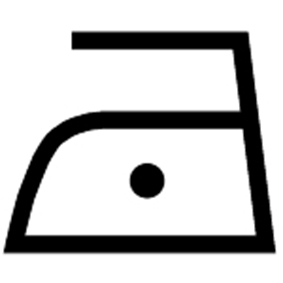
– Iron at low temperature
– Do not tumble dry




Categories: viscose fabric, sewing
The color of the product may slightly differ from the image shown, depending on the technical color and brightness settings of your computer or smart device screen.
Product offers and prices in the online store and physical stores may vary. If you wish to check product availability in stores, please contact the online store's customer consultant – tel. 29 333 505, e-mail info@kameja.lv, or the respective Kameja store.
Viscose fabric is a classic for summer clothing. Viscose is gaining increasing popularity and has become one of the most favored types of fabric among sewers and wearers. Viscose has excellent characteristics.
The positive properties of the material include: breathable, does not accumulate static electricity, excellent moisture absorption capabilities. Viscose fabrics stand out for their pleasant feel on the skin and excellent drape. Viscose fabrics are smooth, light, and have a cooling effect. The fabric type is pleasant and comfortable to wear. Viscose mixes excellently with other fibers. It is also incorporated into knitwear and other fabrics, making them more durable.
Viscose also has some negative properties. The fabric wrinkles easily, can shrink when washed, and is susceptible to mold. When wet, the fiber becomes less durable, so it should not be spun in a centrifuge or vigorously rubbed.
Is viscose fabric natural or artificial? Viscose is produced from natural wood, which is chemically treated to then obtain the fiber. Therefore, it cannot be classified as a natural material, such as cotton or linen, but neither can it be classified as a synthetic material, such as polyester.


